

Marketing encompasses all the efforts a company undertakes to attract an audience to its products or services through compelling and high-quality messaging. Its primary objective is to provide value to potential and existing customers through engaging content, with the ultimate aim of showcasing product benefits, building strong brand loyalty, and driving sales growth.
Purpose of Marketing
1. Attracting Customers

Marketing helps attract potential customers by showcasing how a product or service can solve their problems or fulfill their needs.
Example: Apple’s iPhone launch events generate excitement and curiosity by highlighting innovative features, drawing both tech enthusiasts and regular consumers to explore the product.
2. Building Brand Awareness

Marketing ensures that your brand stands out and becomes recognizable in a crowded marketplace.
Example: Coca-Cola uses iconic holiday campaigns to reinforce its brand image as part of joyful celebrations.
3. Driving Sales and Conversions
Marketing nurtures customer interest into action, encouraging purchases or subscriptions.
Example: E-commerce platforms like Amazon offer time-limited discounts (via email campaigns) to entice users to make purchases.

4. Strengthening Customer Loyalty
Marketing fosters long-term relationships by consistently engaging and delivering value to customers.
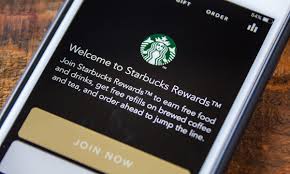
Example: Starbucks uses its rewards program and personalized marketing to retain loyal customers and encourage repeat visits.
The 4 Ps in Marketing
In the 1960s, E Jerome McCarthy came up with the 4 Ps of marketing: Product, Price, Place, and Promotion. Essentially, these 4 Ps explain how marketing interacts with each stage of the business.
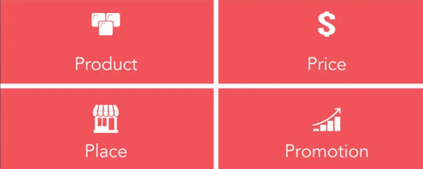
1. Product
Before launching a product, businesses need to conduct market research to identify their target audience and determine if there’s a market fit. Marketers gather insights on customer needs, ideal messaging, and necessary product improvements through surveys and focus groups, ensuring the product meets demand and addresses consumer concerns.
2. Price
Setting the right price requires analyzing competitors, surveying customers, and understanding what the target audience is willing to pay. Pricing too high risks losing customers, while pricing too low may lead to losses. Marketing helps identify an optimal price range through data and industry research.
3. Place
Marketers determine where and how to sell a product by analyzing customer preferences. They suggest whether an e-commerce platform or physical store would be more effective and provide recommendations on the best locations, nationally or internationally, for maximum reach.
4. Promotion
Promotion focuses on creating awareness and interest in the product through strategies like social media campaigns, advertisements, events, and discounts. These efforts aim to boost visibility and drive sales.
By leveraging the 4 Ps, marketing aligns every aspect of a product’s journey to enhance business success.
Evolution of Marketing
The history of modern marketing can be traced to the 1950s when companies used various marketing methods to draw the customers’ attention to a product. Before then, companies used print media to place ads that enticed consumers to buy their products and services.
Types of Marketing
1. Traditional Marketing
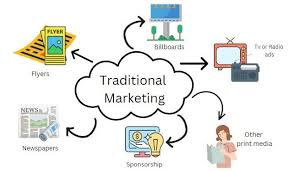
Traditional marketing encompasses methods that existed before the internet, such as:
- Print ads (newspapers, magazines)
- Radio and TV commercials
- Direct mail (postcards, flyers)
- Phone directories (like Yellow Pages)
This approach is ideal for reaching local audiences and involves a fee based on ad size or placement. While traditional marketing remains effective for specific demographics, it lacks the real-time analytics and flexibility of digital methods.
2. Digital Marketing
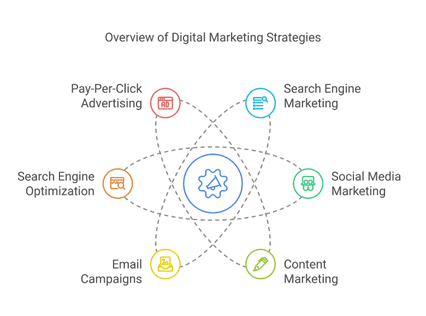
Digital marketing leverages the internet to connect with target audiences. It includes strategies such as:
- Search engine marketing (SEM)
- Social media marketing (SMM)
- Content marketing (blogs, videos)
- Email campaigns
- Search engine optimization (SEO)
- Pay-per-click (PPC) advertising
Digital marketing has grown rapidly due to the shift in consumer behavior toward online research and purchases. It is more cost-effective than traditional methods, as businesses can manage campaigns independently and adjust strategies in real time. Additionally, digital marketing offers precise targeting and measurable results, making it a preferred choice for modern businesses.
“Marketing lays the groundwork by reaching your audience, but branding ensures they remember you. Without a strong brand, marketing efforts may lack depth and consistency.”